Available May 5, 2026
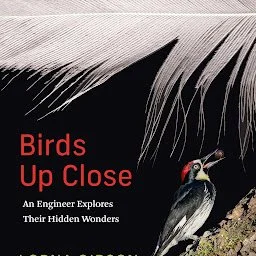
Birds Up Close An Engineer Explores Their Hidden Wonders
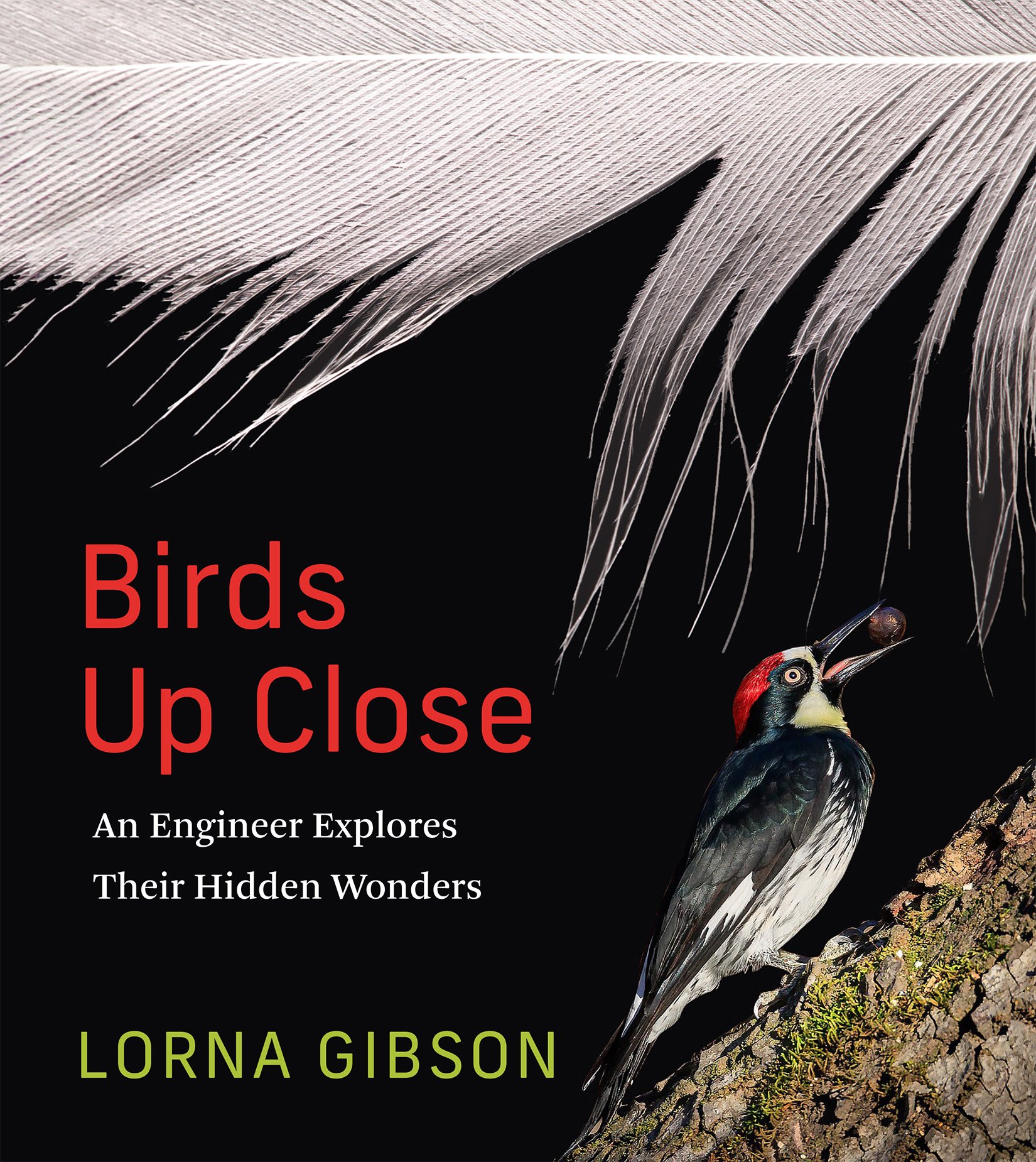
A renowned engineer reveals the marvel of how birds work—from the tips of their bills to the sheen of their tailfeathers.
Consider feathers:
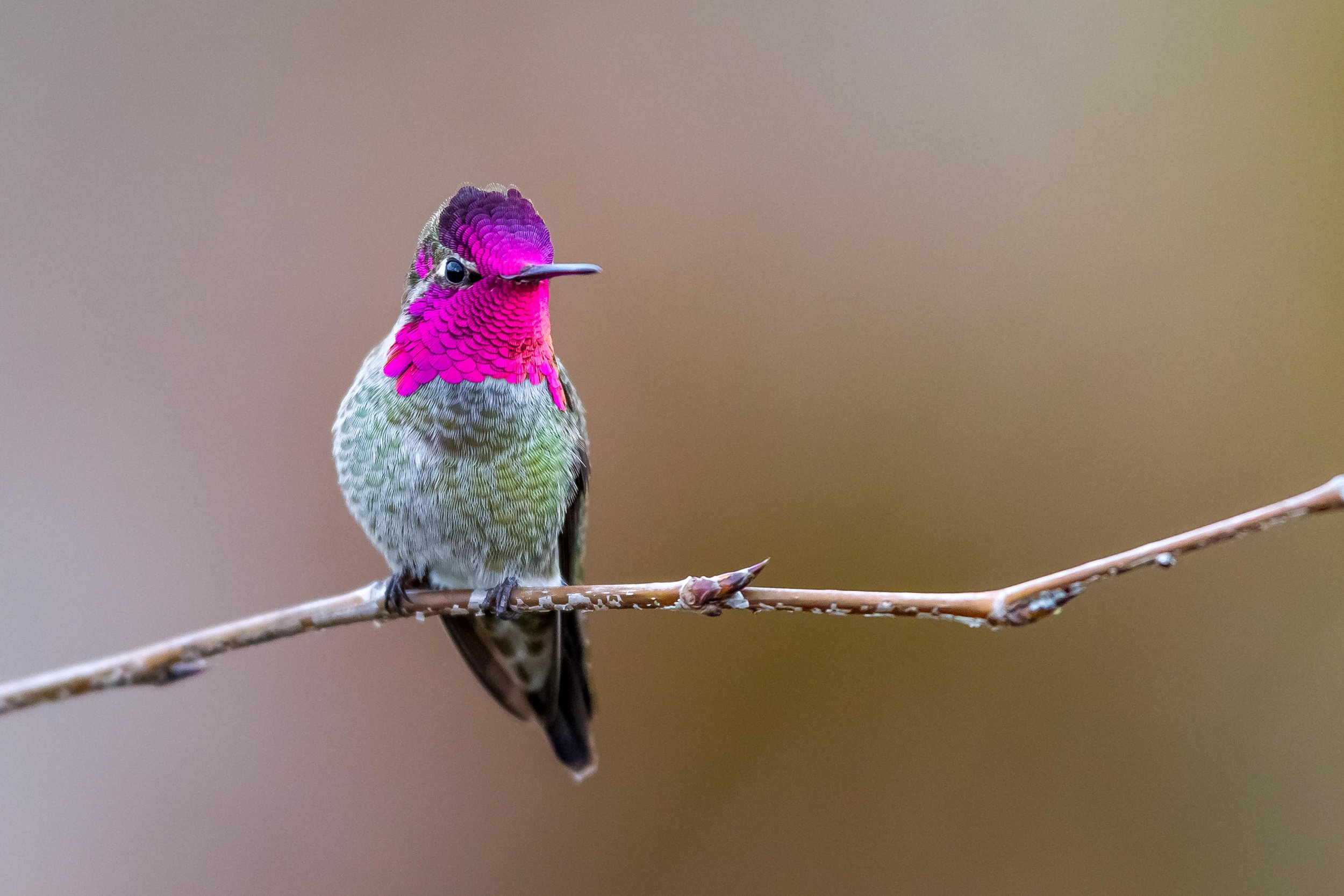
Some produce stunning iridescence.
Anna’s Hummingbird from alamy.com
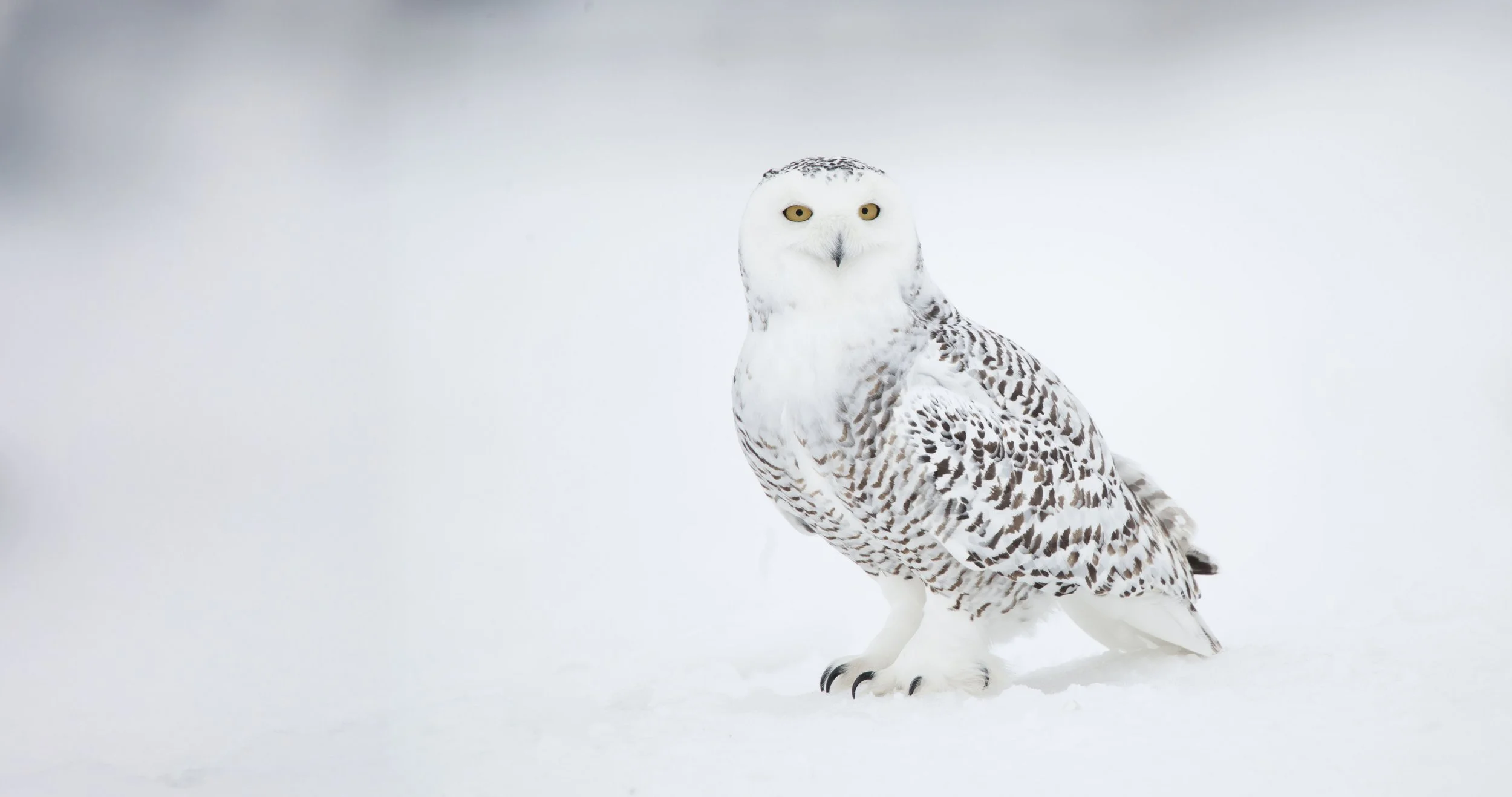
Others insulate against cold.
Snowy owl from alamy.com
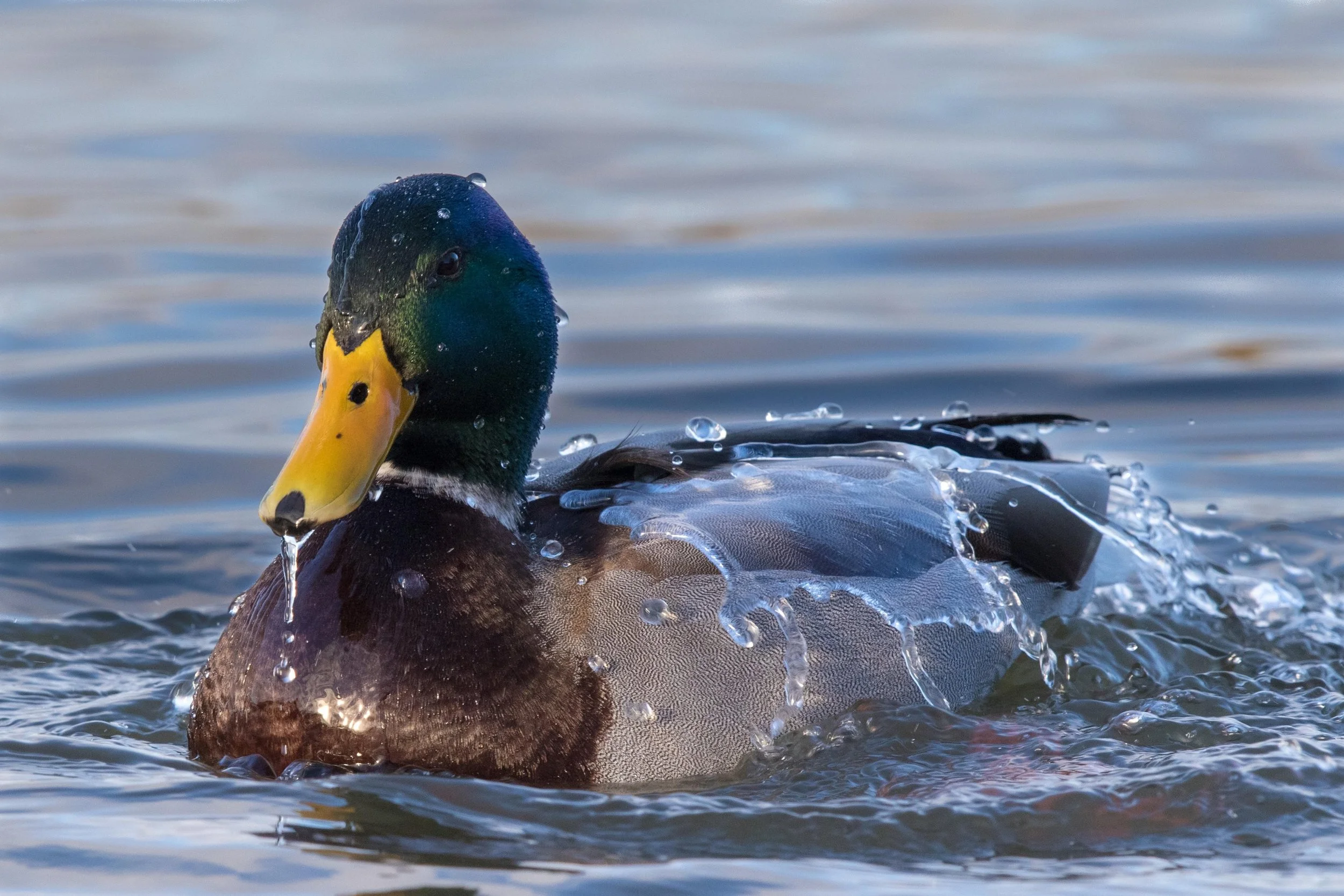
They repel water.
Water running off a mallard’s back from alamy.com
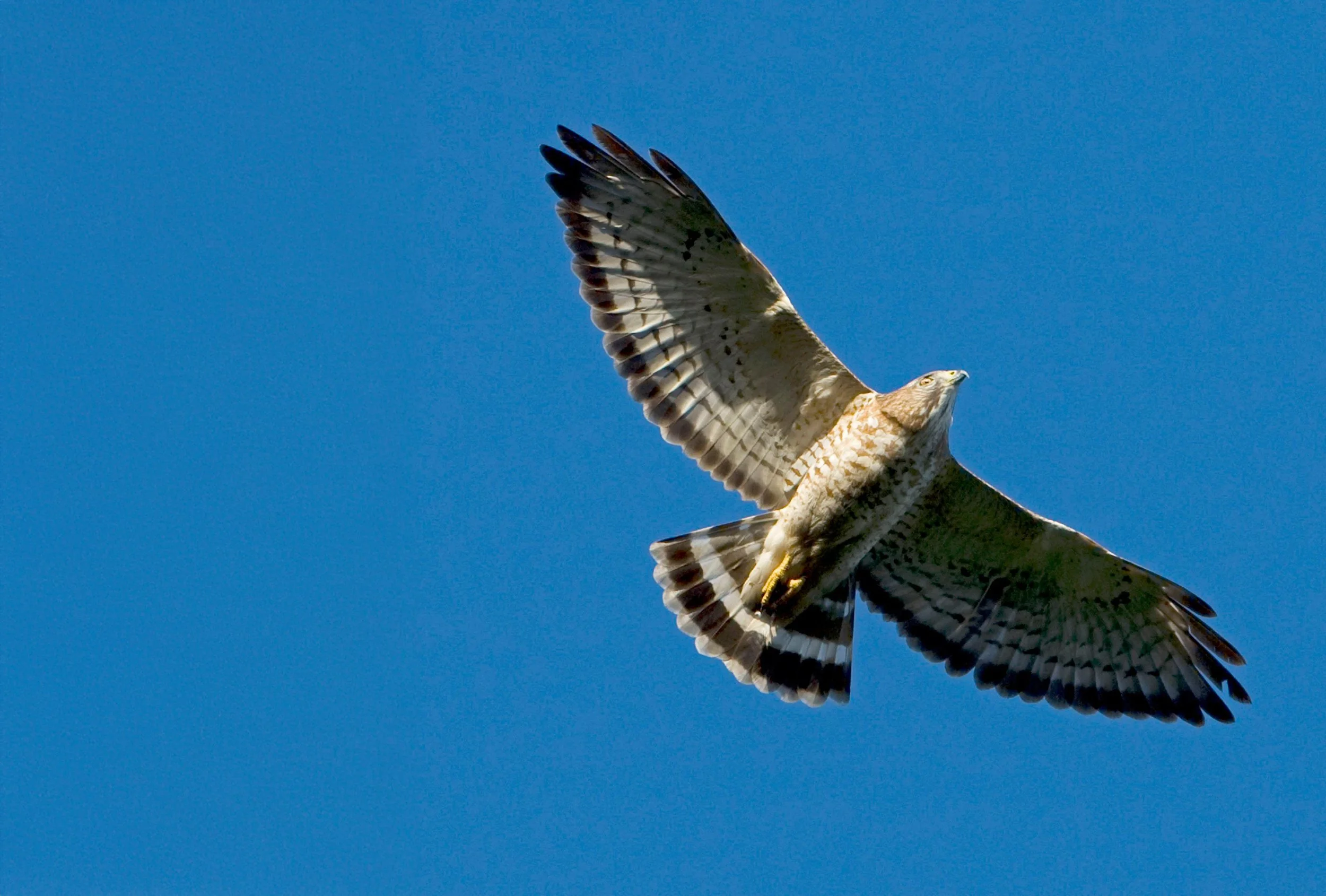
They define birds’ wings, enabling flight.
Broad winged hawk soaring from alamy.com
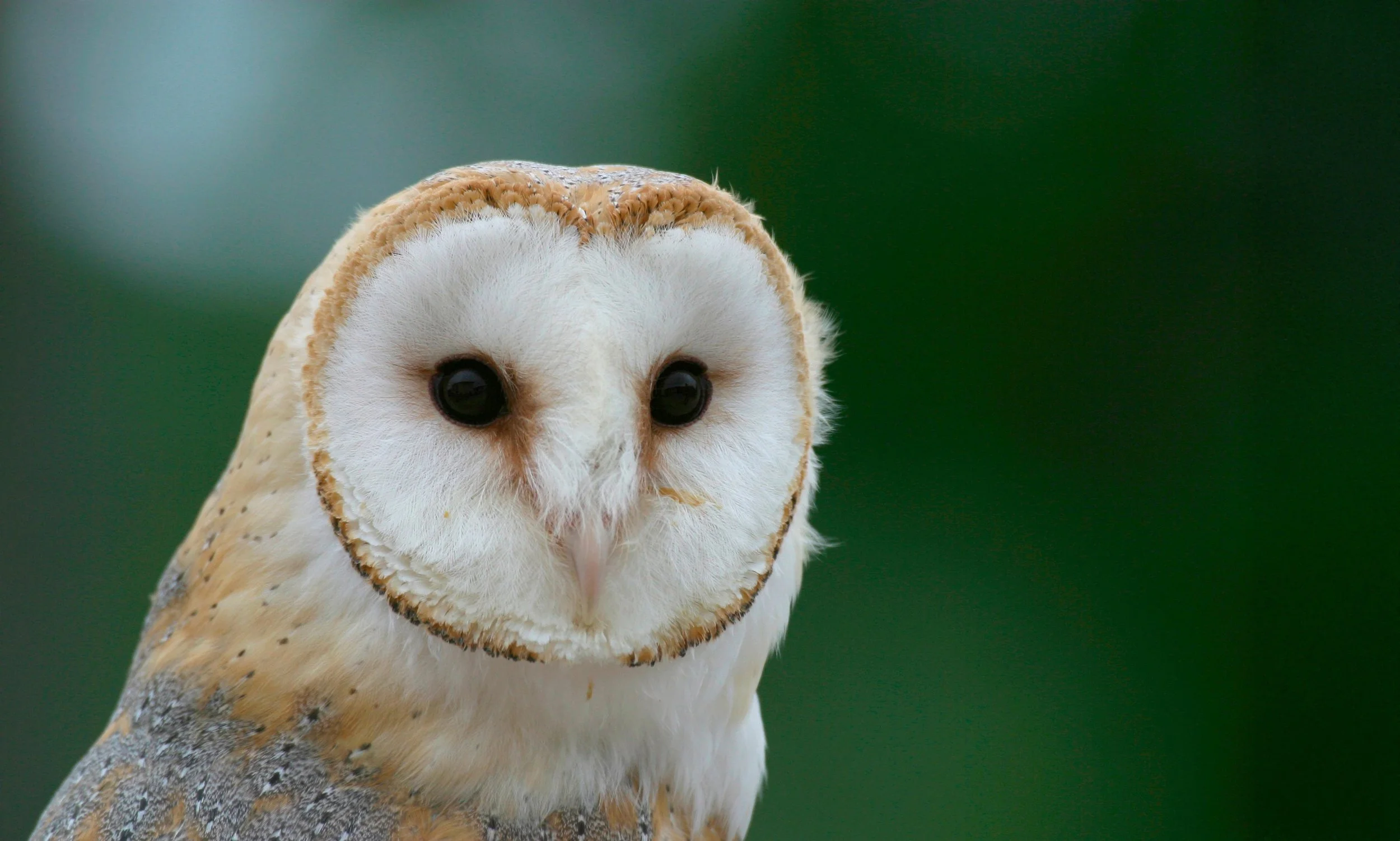
They can even control sound.
Barn owl from alamy.com
How feathers work is just one aspect of the wonders of birds explained by Lorna Gibson in Birds Up Close.
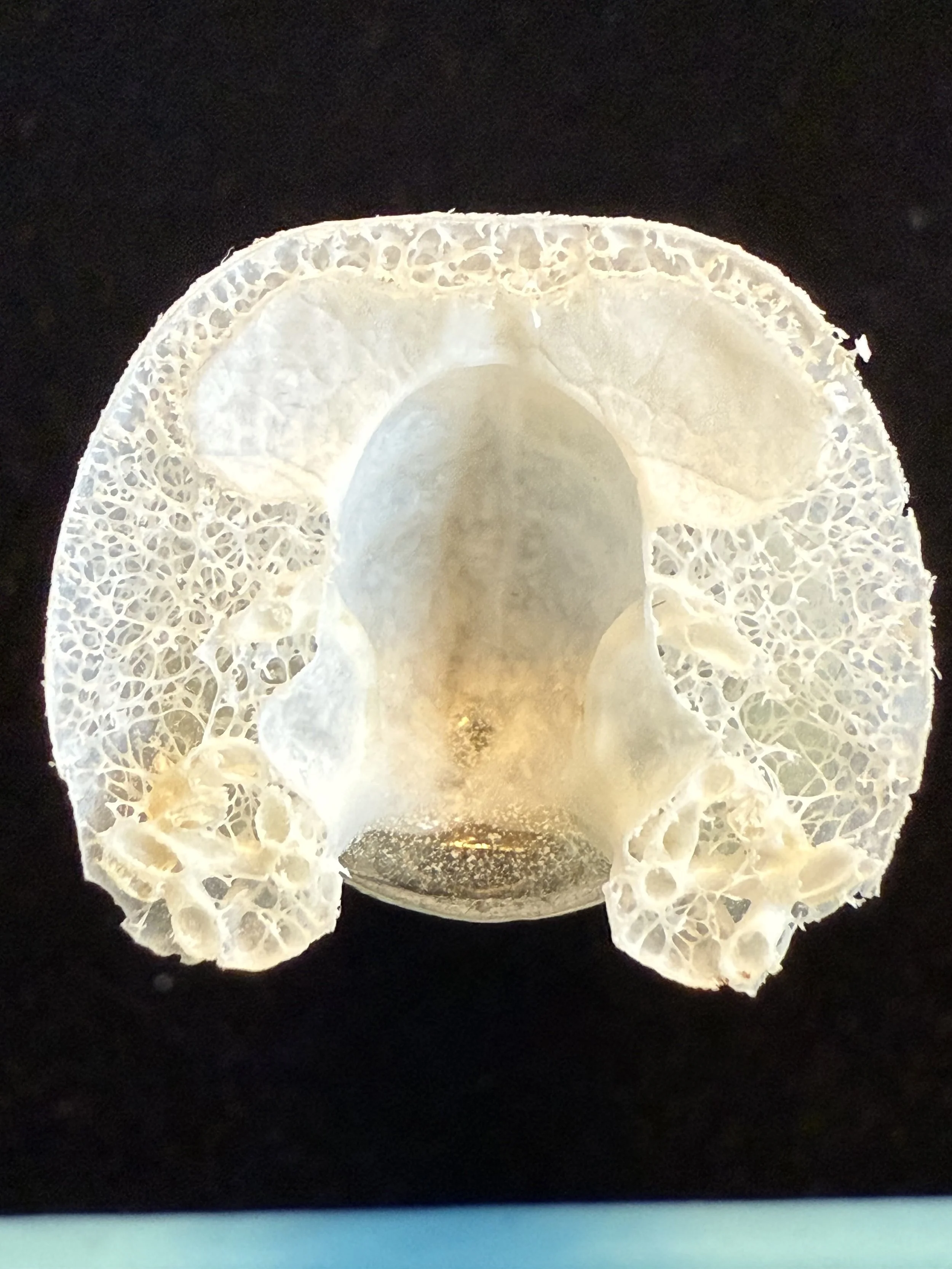
How does the internal structure of a bird’s bones make them lightweight?
Cross-section of a pigeon skull, showing its lightweight, foam-like interior from Specimen CFS3907 Concord Field Station, Harvard University.
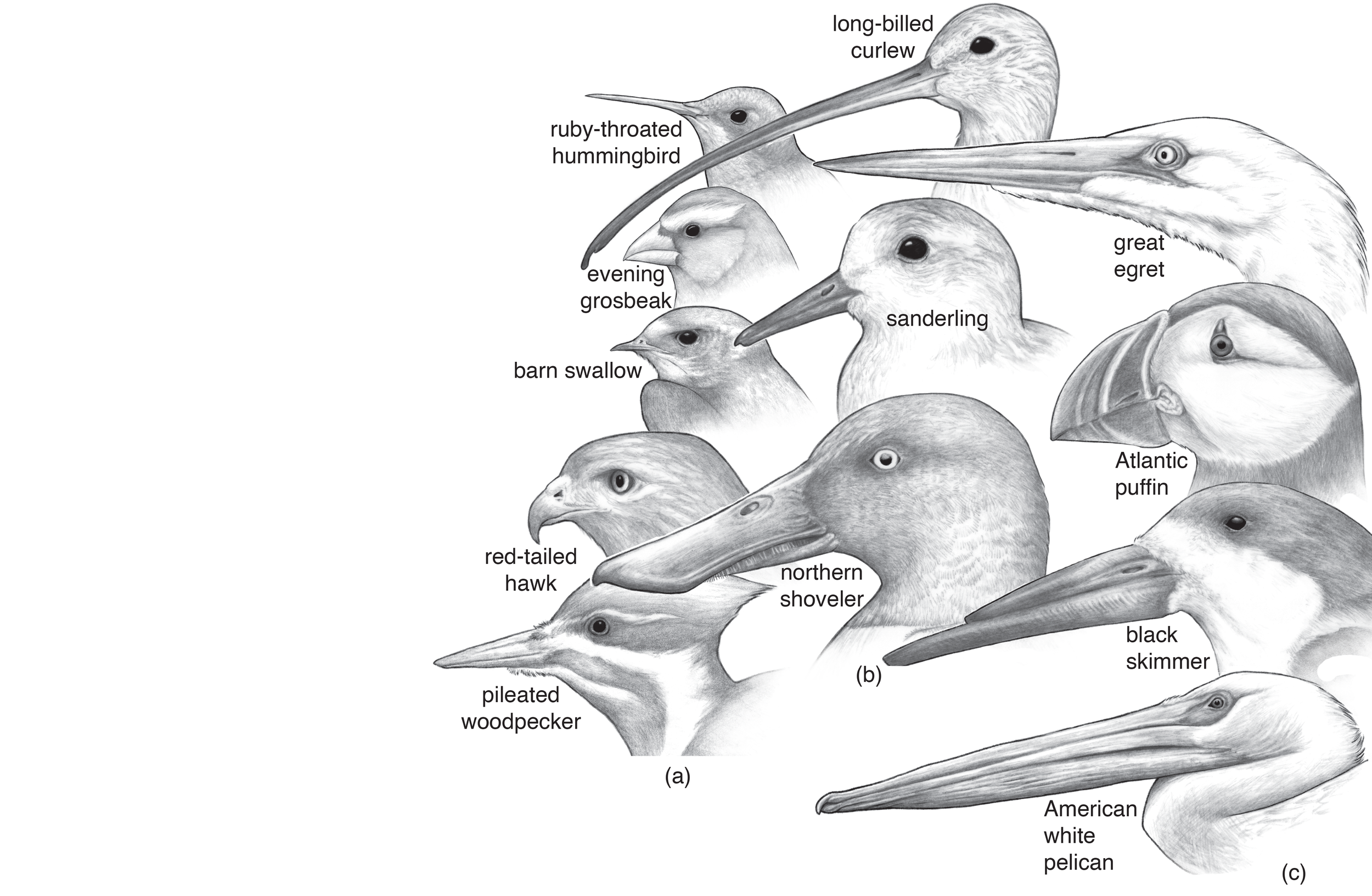
How do different birds use their bills and tongues—from woodpeckers penetrating the holes they drill, to hummingbirds imbibing nectar, to sandpipers needling the sand, and to phalaropes drawing water droplets containing plankton into their mouths without sucking(no lips!)?
Bird bills have a variety of shapes to facilitate eating different foods © Erica Beade, after Proctor NS and Lynch PJ (1993) Manual of Ornithology.
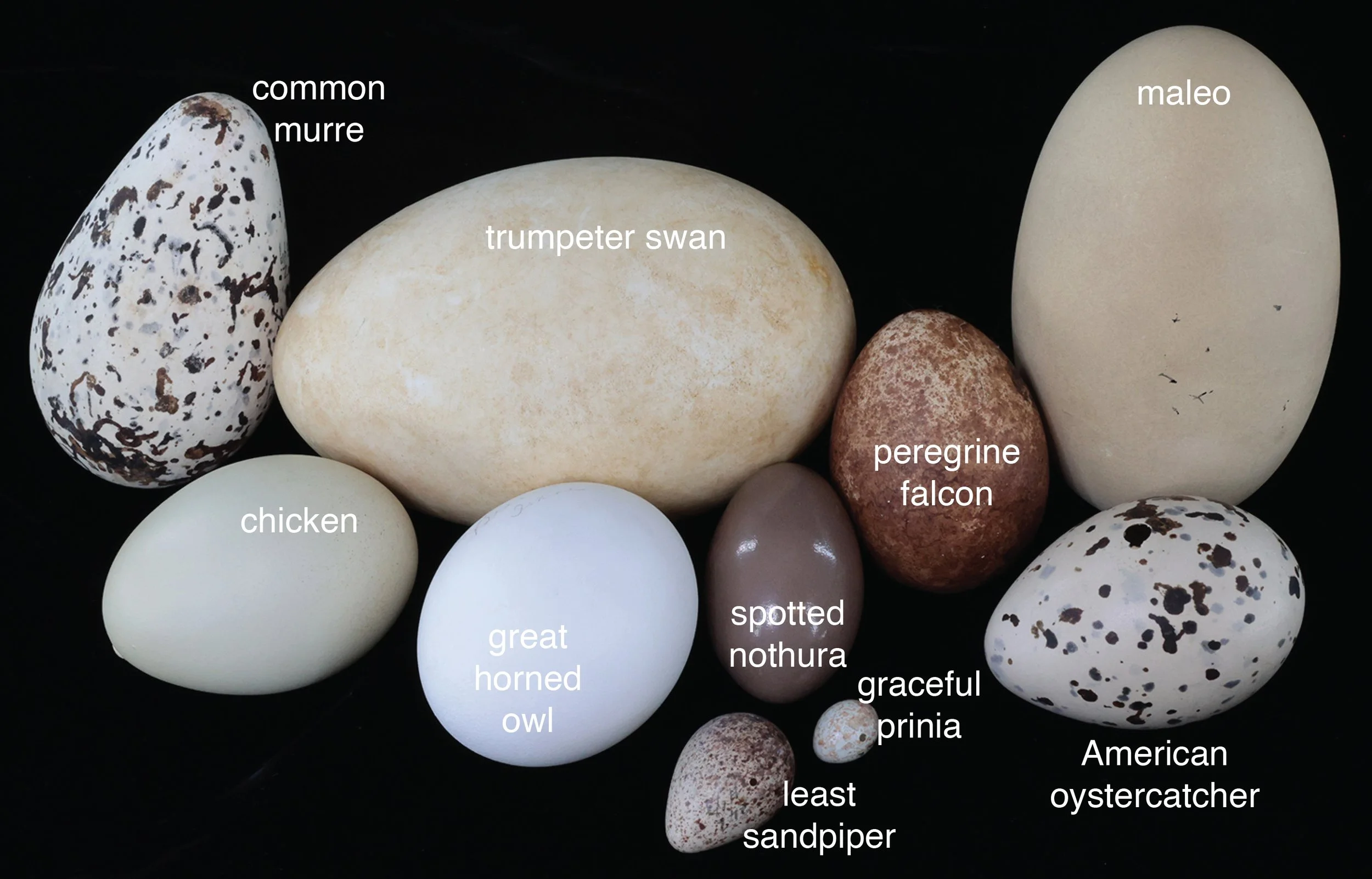
What controls the shape of eggs?
From Museum of Comparative Zoology, Harvard University, © President and Fellows of Harvard College, specimens 352849, 367177, 358288, 354349, 355101, 353571, 361778, 354278, 352291, 353409.
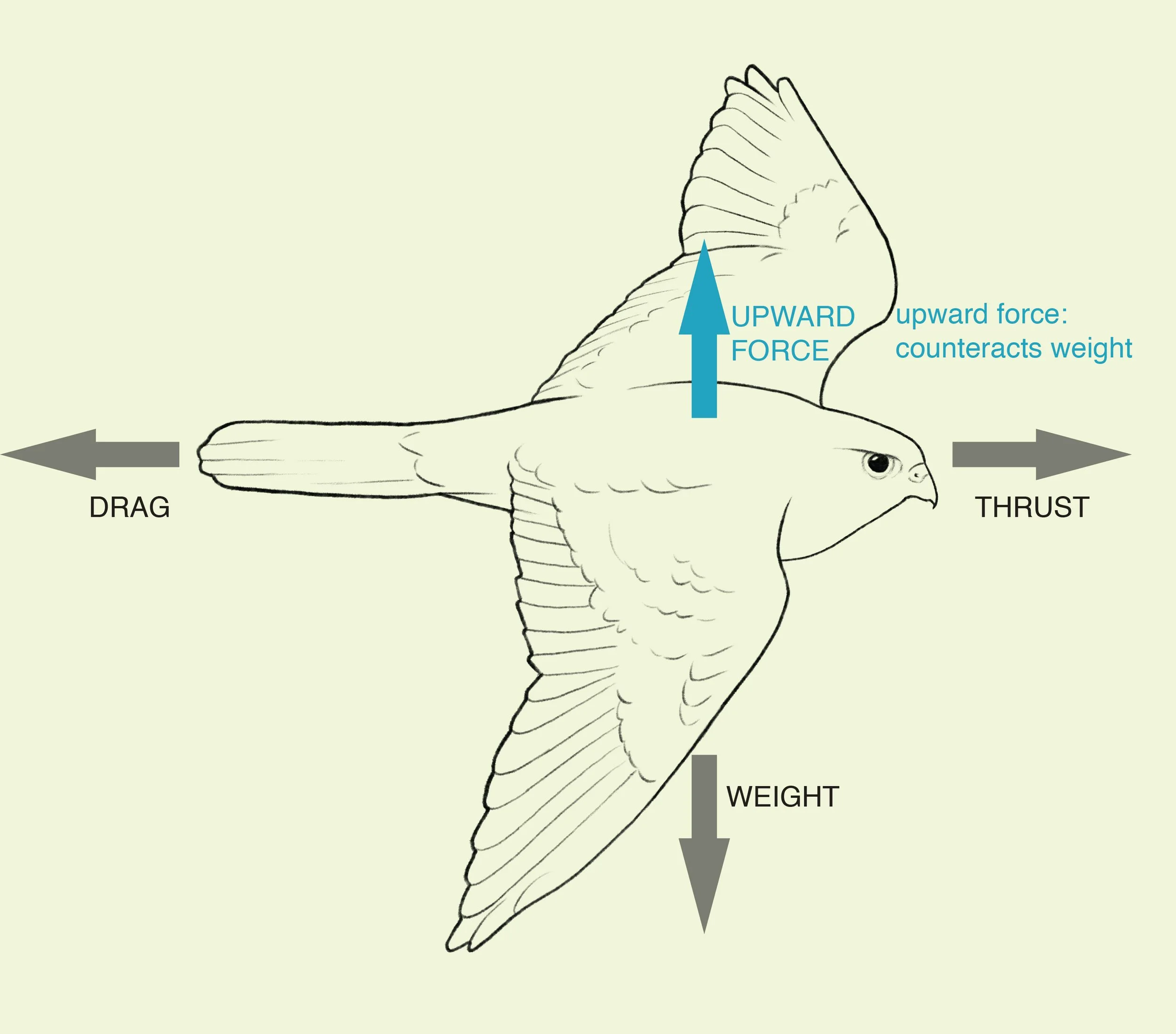
How do birds generate lift to stay aloft?
How do raptors soar and glide; how do albatrosses fly thousands of miles; how do hummingbirds hover, and how do puffins and penguins “fly” underwater?
Forces on a bird in horizontal flight © Erica Beade
Feathers, bones, bills, eggs, flight: all come in for scrutiny in this engaging book.
Drawing on her expertise as an engineer and personal experience as a birder, the author explores engineering principles to explain how birds work.
Her up-close look at avian mysteries provides a perspective like no other for the expert ornithologist and curious observer alike.
Watch
Videos
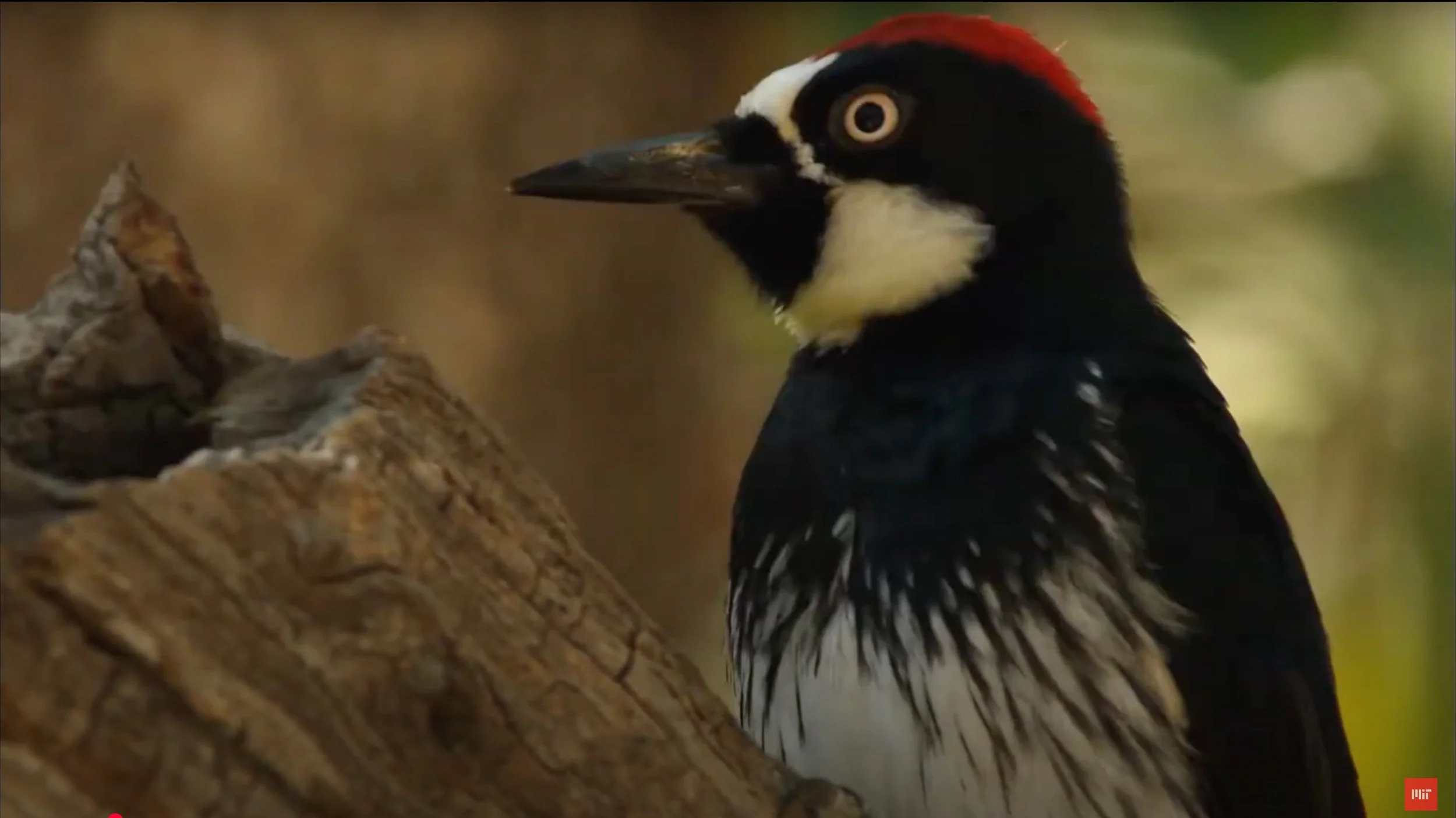
Built to Peck: The Biomechanics of Woodpeckers
In this 8-part, 25 minute video series, we look at how woodpeckers avoid brain injury while pecking. We start with a little birding at Hall’s Pond in Brookline, named for one of the founding mothers of the Massachusetts Audubon Society.
We then tour the ornithology collection at Harvard University’s Museum of Comparative Zoology and examine their woodpecker collection, including an ivory-billed woodpecker.
We use simple scaling laws to understand how woodpeckers avoid brain injury while pecking.
The series ends with a short history of Mass. Audubon and its role in bird conservation.
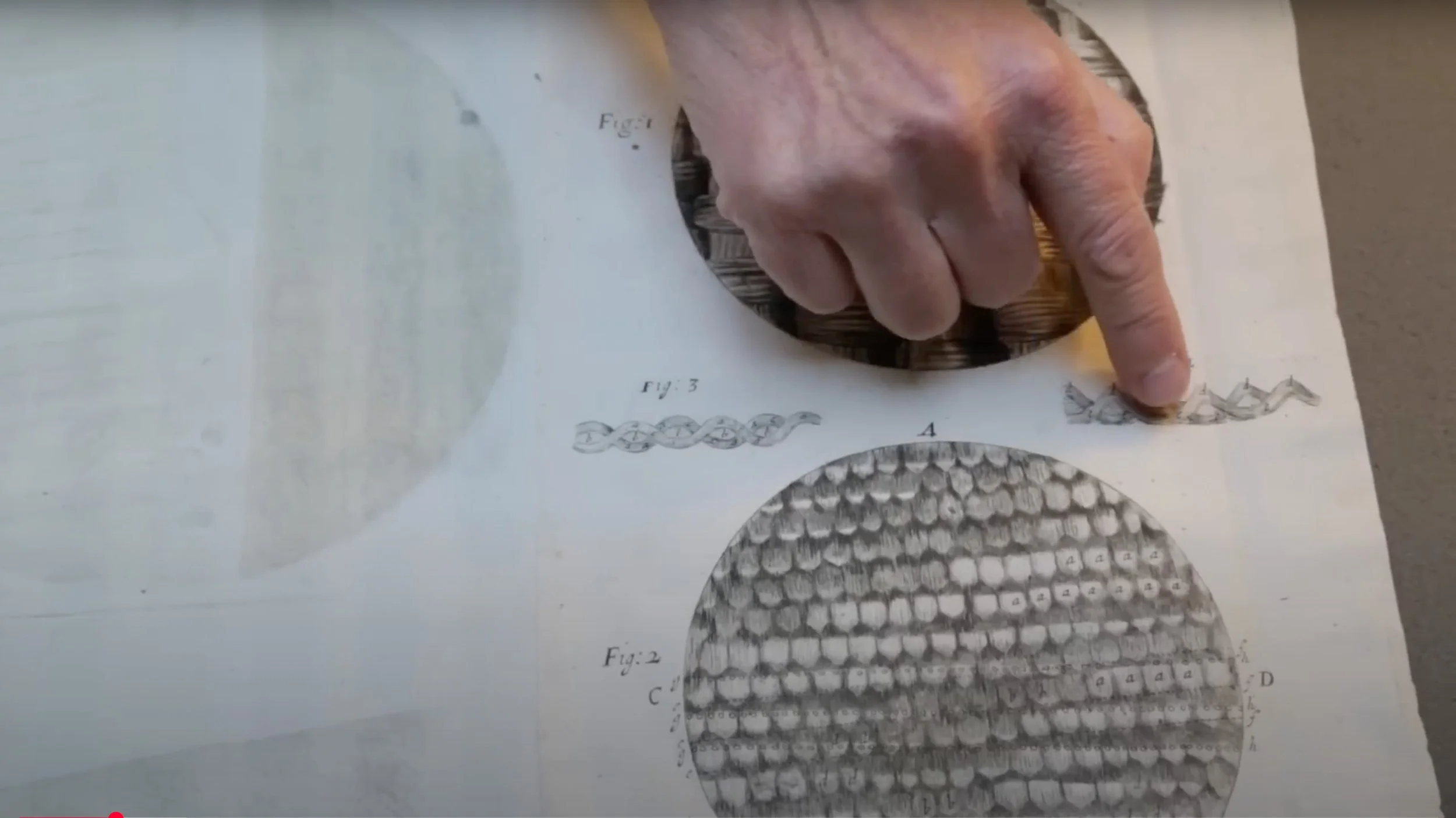
Robert Hooke's Micrographia
Robert Hooke’s Micrographia, published in 1665, was the first book to include drawings of objects seen through a microscope.
In this 10 minute video, we look at some of Hooke’s extraordinary drawings, including his drawings of feathers, from a first edition of the book at Harvard University’s Botany Library.
Hooke was the first to realize that the properties of materials are related to their microscopic structure.
Following in Hooke’s footsteps, in Birds Up Close, we look at the microscopic structure of feathers, and see how their structure gives rise to iridescence, water repellency, thermal insulation and more.
Calendar
Upcoming events
Join Lorna Gibson at these upcoming events to learn more about the fascinating engineering behind birds and get your copy of "Birds Up Close" signed.
| Date | Host | Location |
|---|---|---|
| August 17 | Mass Audubon Pleasant Valley | Lenox, MA |
| Oct 12 | Cayuga Bird Club | Ithaca, NY |
| Oct 17 | Boston Book Festival | Boston, MA |
| Oct 20 | Brookline Bird Club | Zoom |
| Nov 7 | Harvard Museum of Natural History, Art and Science class | Cambridge, MA |
| Nov 9 | Toronto Ornithological Club | Toronto, ON |
| Nov 19 | Cambridge (UK) Natural History Society | Zoom |
| Nov 20 | Tern the Page Book Club | Zoom |
| Dec 17 | Orange Audubon Society | Zoom |
Nature Notes
Lorna’s monthly blog of her nature observations.
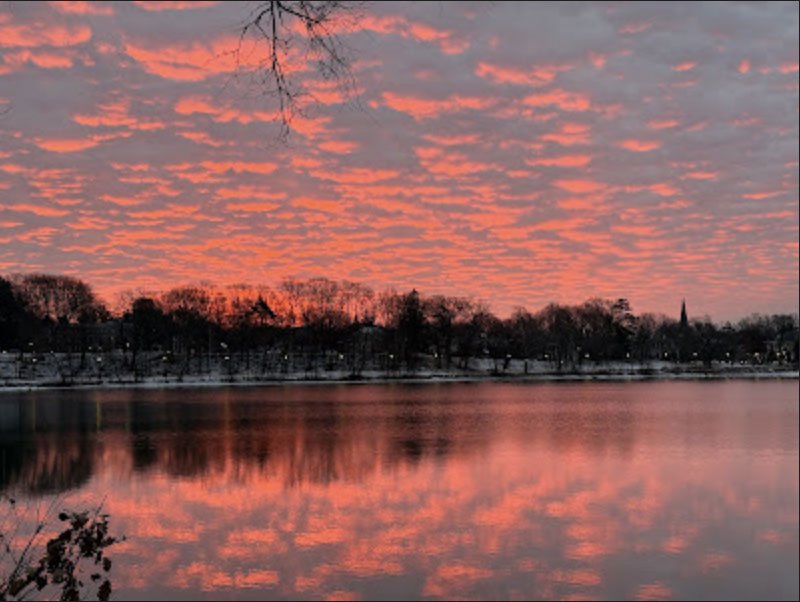
October 31. The bird book is working its way through the production process! ….
November 30. Saw five ruddy ducks at Jamaica Pond early this morning, the first migrating ducks I've seen this fall…
December 1. While this is not strictly a nature note, I couldn't resist including this new Massachusetts license plate…
About the Author
Lorna Gibson

Lorna Gibson is the Matoula S. Salapatas Professor of Materials Science and Engineering at MIT and a MacVicar Faculty Fellow, MIT’s top award for undergraduate teaching.
She is a member of the Board of Directors of the Massachusetts Audubon Society.
Lorna Gibson has always loved nature and getting outside to walk, bicycle and bird.
Get in Touch
Contact
Interested in booking Lorna Gibson for a speaking engagement, interview, or have questions about "Birds Up Close"? Reach out using the contact form.